
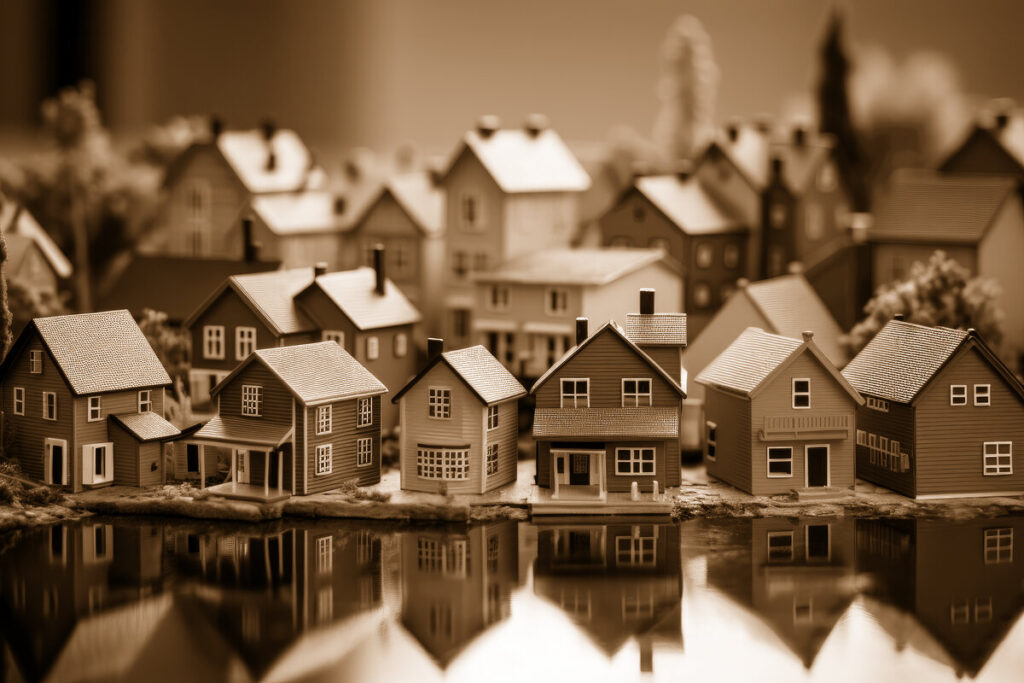
Nestled in the heart of Grapevine, Texas, the Silvercrest neighborhood represents more than just a residential address—it carries within its tree-lined streets a unique blend of heritage, pride, and the welcoming embrace of community. From its early beginnings to the present day, Silvercrest stands as a testament to Grapevine’s enduring spirit and the stories that make this city a cherished place to call home.
Origins on the Edge of Grapevine
The Silvercrest neighborhood traces its beginnings to the late 1960s and early 1970s, during a period of vibrant growth and suburban expansion throughout Northeast Tarrant County. Grapevine itself, known for its railway roots and fertile farmlands, was beginning to see new neighborhoods sprout along its expanding corridors—and Silvercrest was among the first modern subdivisions to attract families seeking stability and small-town charm.
Developers were inspired by Grapevine’s signature resilience and the gentle rolling hills that characterize this corner of the city. The name “Silvercrest” was intentionally chosen to imply both sterling value and the cresting optimism of a new era for the area. Urban legend has it that the moniker also referenced the occasional shimmering morning dew that would glaze the highest lawns on Silvercrest Drive, catching the morning sun in a way that made the neighborhood appear, for a moment, dusted with silver.
Key Historical Milestones
From its inception, Silvercrest was thoughtfully planned to foster community while respecting the natural landscape. Several milestones mark the neighborhood’s progress:
- 1972: The first homes on Silvercrest Drive were completed, setting the architectural tone for the blend of traditional ranch and mid-century styles that would soon flourish throughout adjacent streets like Cedarwood Court and Forest Lane.
- Late 1970s: Sidewalks were added to encourage walkability, and sprawling live oaks and redbuds were planted, many of which remain today and lend the neighborhood its mature, shady canopy.
- 1984: The construction of nearby Dove Park (located at the edge of the neighborhood along Dove Road) gave Silvercrest’s families a cherished green space for weekend picnics, pickup baseball games, and countless hours of laughter on the playground.
- 1992: Grapevine Elementary School, just a short hop away from Silvercrest via Wildwood Drive, was named a Texas Blue Ribbon School—a proud moment for local families whose children grew up walking or biking to class each day.
Notable Landmarks and Beloved Places
While Silvercrest is primarily residential, the neighborhood’s character is enriched by its proximity to several Grapevine landmarks:
- Dove Park & Pool: Beloved by many Silvercrest residents, Dove Park is more than just a community green space—it’s an anchor of neighborhood life. The pool, open seasonally, is a rite of passage for kids and a gathering place for neighbors every summer.
- The Heritage Trees: Along the main avenue of Silvercrest Drive and in the heart of Forest Lane, stately heritage oaks stand as living witnesses to decades of family barbecues, graduation celebrations, and block parties.
- Grapevine Botanical Gardens: A short drive from Silvercrest, this tranquil oasis invites residents for peaceful walks among inspiring flower beds and historic log cabins—a nod to Grapevine’s agrarian past.
- The Historic Water Tower: Visible from some vantage points in the northeast corner of Silvercrest, the iconic Grapevine water tower serves as a nostalgic beacon, anchoring the neighborhood’s identity firmly within the city’s larger story.
Evolution Through the Decades
Silvercrest has evolved gracefully, balancing the preservation of its original charm with subtle adaptations to modern living. Over the years, homes have seen careful renovations—retaining classic brick facades while adding updated kitchens, energy-efficient windows, and backyard decks perfect for evening gatherings.
A defining feature of Silvercrest is its enduring sense of community:
- Neighborhood traditions have blossomed, including annual holiday light tours along Cedarwood Court and fiercely competitive chili cook-offs near Dove Park.
- Block parties are common in the spring and fall, often organized by long-term residents who fondly recount the days when every child in Silvercrest attended the same elementary school.
- Active neighborhood association: Today, a longstanding Silvercrest Neighborhood Association works to advocate for residents, maintain the safety of local streets, and coordinate seasonal events that continue to welcome new families while preserving a sense of shared history.
Streets Paved with Memories
Ask any Silvercrest resident about what makes the neighborhood special, and you’ll hear stories woven together by multi-generational bonds. On Silvercrest Drive, it’s not uncommon to find grandparents passing down tales of the area’s earliest days to grandchildren playing in those same front yards.
Forest Lane, known for its lush canopy, hosts a much-anticipated Halloween parade every year—youngsters and their parents weaving from house to house, echoes of laughter mingling with the glow of porch lights.
At the neighborhood’s edge, gentle trails connect to the larger Grapevine trail system, offering easy access for joggers and cyclists headed toward Lake Grapevine or the bustling shops of Historic Downtown Grapevine.
Heritage That Endures
What sets Silvercrest apart is its seamless blend of Grapevine’s proud heritage with the vibrancy of contemporary life. This is a neighborhood where history is not just remembered, but actively lived: in neighbors lending a hand, in the steadfast preservation of mature trees and classic homes, and in the festivals and traditions that foster a true sense of belonging.
For those seeking not just a house but a home imbued with the stories and values of Grapevine, Silvercrest remains a shining crest—offering both the silver memories of the past and the promise of many bright days to come.